

Conjugated oligonucleotides have redefined what is possible in therapeutic nucleic acid delivery. By equipping oligos with carefully chosen chemical ligands, developers can achieve tissue-selective uptake, stronger potency, longer-lasting pharmacodynamic effects, and significantly reduced off‑target toxicity. These improvements make conjugated siRNAs, ASOs, and other oligo modalities suitable for real-world clinical use, where consistent performance and manageable dosing schedules are essential.
Major Therapeutic Applications
- Liver-Targeted Therapies (GalNAc)
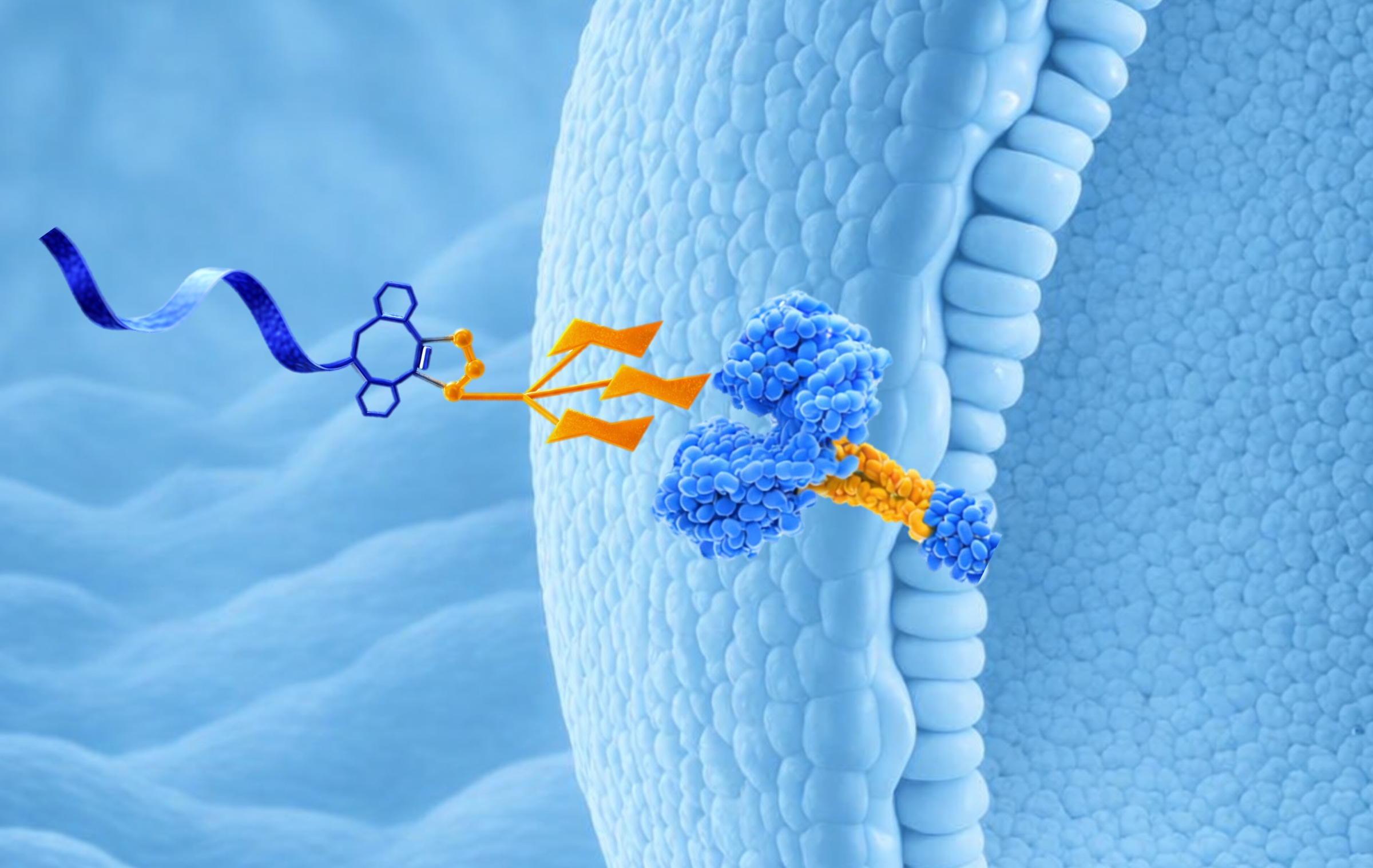
The liver is currently the most successful target for conjugated oligonucleotide therapeutics. Triantennary GalNAc ligands bind with exceptional specificity to the ASGPR receptor on hepatocytes, enabling rapid and efficient uptake.
GalNAc–siRNA and GalNAc–ASO therapeutics have already achieved clinical validation in diseases such as:
- Hypercholesterolemia (Inclisiran)
- hereditary liver disorders (Lumasiran)
- metabolic diseases
- viral hepatitis
The reliability of ASGPR-mediated delivery allows subcutaneous dosing at low microgram levels, making GalNAc platforms the gold standard for targeted oligo therapy.
- Immune & Lung-Targeted Therapies (Mannose)
Mannose conjugation exploits the expression of CD206 and CD209 receptors on macrophages and dendritic cells. This approach is highly valuable in conditions driven by immune dysregulation.
Common application areas include:
- inflammatory diseases
- infectious diseases
- vaccine modulation strategies
- pulmonary immune cell targeting
Mannose-directed delivery is especially promising in respiratory diseases where macrophages are central drivers of pathology.
- Tumor-Targeted Oligos
Cancer-focused conjugates use ligands such as RGD peptides, folate, transferrin receptor (TfR1) binders, and other tumor‑associated receptor ligands. These ligands enable:
- deeper tumor penetration
- receptor-dependent uptake
- reduced systemic toxicity
This selective approach improves the broad biodistribution patterns of unconjugated oligos, helping developers concentrate on therapeutic activity precisely where needed.
- Central Nervous System Access
Crossing the blood–brain barrier remains a challenge for all therapeutic modalities. Conjugation strategies under investigation include TfR1/CD71 shuttle ligands and ligand‑assisted receptor‑mediated transcytosis. In parallel, nanoparticle‑oligo hybrid systems are being engineered to navigate transport pathways that traditional oligos cannot access, potentially enabling treatment of neurological and neurodegenerative diseases.
- Immunomodulation & miRNA Therapies
Therapies targeting immune cell gene regulation, particularly microRNA pathways, benefit greatly from conjugation. By directing anti‑miRNAs or modulatory oligos to specific immune cell subsets, developers can influence inflammatory networks, finetune adaptive responses, or manipulate tumor-associated macrophages. The inherent precision of conjugation makes immunomodulatory oligos far more viable clinically.
Therapeutic Workflows
- Target Selection: The development process begins with defining the target tissue, finding a specific receptor or uptake pathway to exploit, and the required intracellular mechanism. This strategic mapping determines which ligand classes are appropriate and what biological hurdles need to be addressed.
- Oligo Chemistry Design: Researchers select the backbone chemistry—PS linkages, 2′-F, 2′-OMe, LNA, or mixed formats, along with the oligo length and sequence. These decisions influence intrinsic potency, nuclease stability, and compatibility with the chosen ligand.
- Linker design: To allow the two function of the therapeutic, oligo therapeutic effect and ligand-receptor interaction, generally both moieties have to be separated. As shown above, this is achieved via special linkers. Linkers design depends on oligo design, ligand and targeting tissue and cell type. Linkers backbone structure range from polyethylene, poly carbon, peptide, etc. and combination off.
- Ligand Architecture: Ligands may be displayed in mono-, bi-, or tri-antennary formats.
- Conjugation Reaction: Common chemistries include CuAAC, SPAAC, NHS ester-Amine and thiol maleimide reaction. The reaction choice depends on ligand sensitivity, the need for copper‑free conditions, and scalability requirements.
- Purification & QC: After synthesis, conjugates are purified and assessed for:
-
- conjugation ratio
- product homogeneity
- oligo integrity
- absence of free ligand or unconjugated oligo
High analytical purity is essential for predictable biological performance.
- Biological Validation: Evaluations include:
-
- cellular uptake
- splice‑switching activity for ASOs
- potency in primary cells or in vivo models
- biodistribution
- toxicity assessment
These studies ensure that the conjugate behaves as intended across biological compartments.
Advantages in Therapeutics
Conjugated oligonucleotides consistently provide high efficacy at low doses due to their enhanced uptake and tissue selectivity. Their pharmacokinetic profiles are more predictable, which supports safe and convenient dosing schedules. By decreasing systemic exposure, conjugation reduces adverse effects and improves therapeutic tolerability. The strong clinical success of GalNAc–siRNA drugs highlight the effectiveness of this strategy and continues to validate conjugation as a cornerstone of modern oligo pharmacology.
Despite impressive progress, several obstacles remain. Endosomal entrapment continues to limit the proportion of oligos reaching functional intracellular sites. Manufacturing complexities—especially in maintaining consistent conjugation ratios—pose scale-up challenges. Linker stability must be tuned carefully to avoid premature cleavage or impaired release. Additionally, some conjugates may invoke immune responses or interact with unintended lectins, reducing selectivity.
Therapeutic oligo conjugation is evolving toward more sophisticated architectures. Future strategies are expected to incorporate multi‑ligand systems for dual‑tissue targeting, adaptive linkers that respond to cellular environments, and programmable systems with defined release profiles. Multiplex receptor targeting may expand into tissues that currently remain inaccessible, while hybrid nanoparticle–oligo constructs could open new therapeutic routes. As chemical and biological engineering advance, conjugated oligos are positioned to play a central role in next‑generation precision medicine.